
Automotive car door glass replacement is an essential service that ensures the safety, functionality, and appearance of a vehicle. Car door glass plays a crucial role in protecting passengers from external elements such as dust, rain, wind, and debris while also contributing to vehicle security and visibility. However, accidents, vandalism, road debris, or sudden impacts can cause the door glass to crack or shatter, making replacement necessary. Understanding the process, importance, and benefits of car door glass replacement can help vehicle owners make informed decisions when dealing with damaged windows.
Importance of Car Door Glass
Car door glass is more than just a transparent barrier. It contributes significantly to the structural integrity of a vehicle and enhances passenger comfort and safety. Modern automotive glass is designed to withstand pressure, impacts, and varying weather conditions. Most vehicles use tempered glass for side windows and door glass because it is stronger than ordinary glass and breaks into small, less harmful pieces during accidents.
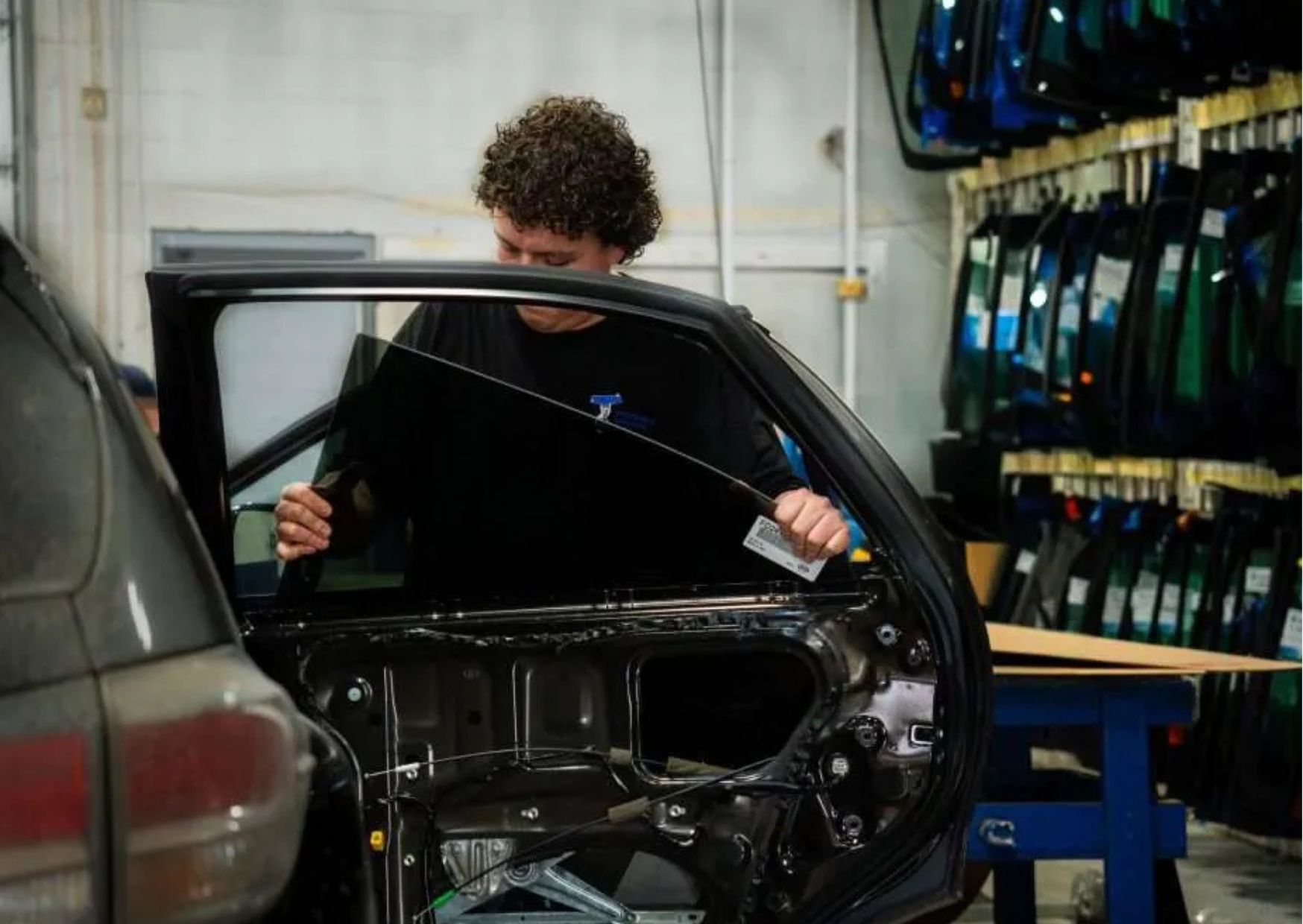
A damaged or broken car door glass can compromise the safety of passengers. Cracks or chips can obstruct visibility, making driving dangerous. Broken glass also increases the risk of theft, exposes the vehicle interior to weather conditions, and reduces insulation from outside noise. Therefore, timely replacement is important to maintain the overall safety and performance of the vehicle.
Common Causes of Car Door Glass Damage
Several factors can lead to damage to automotive door glass. One of the most common causes is road accidents or collisions. Even a minor side impact can crack or shatter the glass. Theft attempts and vandalism are also major reasons for broken side windows. Criminals often break the glass to gain access to valuables inside the vehicle.
Road debris such as stones, gravel, or flying objects can also strike the door glass while driving, leading to chips or cracks. Extreme weather conditions, especially sudden temperature changes, may weaken the glass over time. Improper installation or mechanical issues with the power window system can also place stress on the glass, causing damage.
Signs That Replacement Is Necessary
Not all glass damage requires immediate replacement, but certain signs indicate that replacing the car door glass is the best option. Large cracks, shattered glass, or multiple chips are clear indications that the glass can no longer provide adequate safety. If the window cannot roll up or down properly, the issue may involve both the glass and the window regulator system.
Distorted visibility is another warning sign. Cracked or scratched glass can create glare and obstruct the driver’s view, increasing the risk of accidents. Water leakage, wind noise, or loose-fitting glass may also indicate damage that requires professional attention.
The Car Door Glass Replacement Process
The automotive car door glass replacement process involves several important steps to ensure proper installation and functionality. Professional technicians follow a systematic approach to replace damaged glass safely and efficiently.
1. Inspection and Assessment
The first step is inspecting the damaged glass and surrounding components. Technicians check the extent of the damage, inspect the window regulator, seals, and door frame, and determine whether additional repairs are required.
2. Removal of Damaged Glass
The broken or cracked glass is carefully removed from the door frame. Technicians wear protective equipment to handle sharp fragments safely. Any remaining pieces of glass inside the door panel are cleaned thoroughly to prevent future issues.
3. Preparing the Door Panel
The door panel and window channel are cleaned and inspected before installing the new glass. Damaged seals or clips may be replaced to ensure a secure fit.
4. Installing the New Glass
A new piece of automotive-grade tempered glass is installed into the door frame. The technician aligns the glass correctly with the regulator mechanism and secures it in place.
5. Testing and Final Inspection
After installation, the window is tested multiple times to ensure smooth operation. Technicians verify proper alignment, sealing, and functionality before completing the job.
OEM vs Aftermarket Glass
When replacing automotive car door glass, vehicle owners often choose between Original Equipment Manufacturer (OEM) glass and aftermarket glass.
OEM glass is manufactured according to the original specifications of the vehicle manufacturer. It offers a precise fit, consistent quality, and compatibility with advanced features such as tinting, sensors, or defrost systems.
Aftermarket glass is produced by third-party manufacturers and is generally more affordable. While many aftermarket options meet safety standards, quality may vary depending on the manufacturer. Vehicle owners should choose reputable service providers to ensure reliable products and professional installation.
Benefits of Professional Replacement
Although some vehicle owners may consider DIY replacement, professional car door glass replacement offers several advantages. Certified technicians have the experience, tools, and expertise needed to install the glass correctly and safely. Improper installation can lead to leaks, rattling noises, poor window operation, or even glass breakage.
Professional services also ensure compliance with safety standards. Technicians use high-quality adhesives and materials designed specifically for automotive applications. Additionally, many repair shops provide warranties on both parts and labor, offering peace of mind to customers.
Cost of Car Door Glass Replacement
The cost of replacing automotive car door glass depends on several factors, including the make and model of the vehicle, the type of glass, labor charges, and additional repairs required. Luxury vehicles or cars with advanced window technology may have higher replacement costs.
On average, car door glass replacement can range from moderate to high pricing depending on the complexity of the installation. Insurance coverage may reduce out-of-pocket expenses if the damage is covered under comprehensive auto insurance policies.
Preventive Measures to Protect Car Door Glass
Vehicle owners can take several precautions to reduce the risk of door glass damage. Parking in secure and shaded areas can protect the vehicle from vandalism and extreme weather conditions. Maintaining a safe driving distance from other vehicles helps minimize exposure to road debris.
Regular inspection of the power window system is also important. If the windows move slowly or produce unusual noises, addressing the issue early can prevent stress on the glass. Applying protective window films can add an extra layer of strength and reduce the likelihood of shattering.
Future Trends in Automotive Glass Technology
The automotive industry continues to innovate in glass technology. Modern vehicles increasingly feature smart glass systems, acoustic glass for noise reduction, and laminated side windows for improved safety. Advanced driver assistance systems (ADAS) may also integrate sensors and cameras into vehicle windows.
As technology advances, replacing car door glass may require specialized calibration and expertise. This makes professional installation even more important for ensuring safety and maintaining vehicle performance.
Conclusion
Automotive car door glass replacement is a vital service that restores the safety, security, and appearance of a vehicle. Whether the damage is caused by accidents, vandalism, or road debris, replacing damaged glass promptly helps prevent further complications. Understanding the replacement process, available options, and benefits of professional installation allows vehicle owners to make informed choices. By investing in quality replacement services and practicing preventive maintenance, drivers can ensure their vehicles remain safe, functional, and comfortable for years to come.