
Automotive car door glass plays a crucial role in vehicle safety, comfort, and appearance. Whether it's a side window shattered due to an accident, vandalism, severe weather, or mechanical failure, replacing damaged door glass promptly is essential. A broken or cracked car door window can compromise security, reduce visibility, expose the vehicle interior to environmental elements, and affect the overall driving experience.
This article explores the importance of automotive car door glass replacement, common causes of damage, the replacement process, costs, and maintenance tips to ensure long-lasting performance.
Understanding Car Door Glass
Car door glass refers to the movable window installed within a vehicle's door. Unlike the windshield, which is typically made of laminated glass, most side windows are manufactured using tempered glass. Tempered glass is designed to shatter into small, less dangerous pieces upon impact, reducing the risk of serious injury during accidents.
Modern vehicles may feature various types of door glass, including:
- Manual roll-up windows
- Power-operated windows
- Tinted glass
- Privacy glass
- Acoustic glass for noise reduction
- Heated side windows in premium vehicles
Each type requires specific replacement procedures and materials to ensure proper functionality and safety.
Common Causes of Car Door Glass Damage
Several factors can lead to the need for car door glass replacement:
1. Road Accidents
Collisions are one of the most common causes of broken side windows. Even minor accidents can result in cracked or shattered door glass due to impact forces.
2. Theft and Vandalism
Vehicle break-ins often involve smashing a side window to gain access to the interior. Vandalism can also cause significant damage that requires immediate replacement.
3. Flying Debris
Stones, gravel, construction materials, and other road debris can strike side windows while driving, leading to chips, cracks, or complete breakage.
4. Extreme Weather Conditions
Severe temperature fluctuations, hailstorms, and strong winds can weaken glass over time or cause sudden breakage.
5. Window Regulator Failure
A malfunctioning window regulator or motor can place excessive stress on the glass, causing cracks or misalignment that eventually leads to breakage.
Why Immediate Replacement Is Important
Driving with damaged door glass can create several risks and inconveniences:
Safety Concerns
Cracked or shattered glass weakens the structural integrity of the vehicle and increases the risk of injury during accidents.
Security Risks
A broken window makes it easier for thieves to access the vehicle and steal valuables.
Weather Exposure
Rain, dust, heat, and debris can enter the vehicle through damaged windows, causing interior damage and discomfort.
Reduced Visibility
Cracks and shattered areas can obstruct the driver's view, increasing the likelihood of accidents.
Replacing damaged door glass promptly helps restore safety, comfort, and vehicle value.
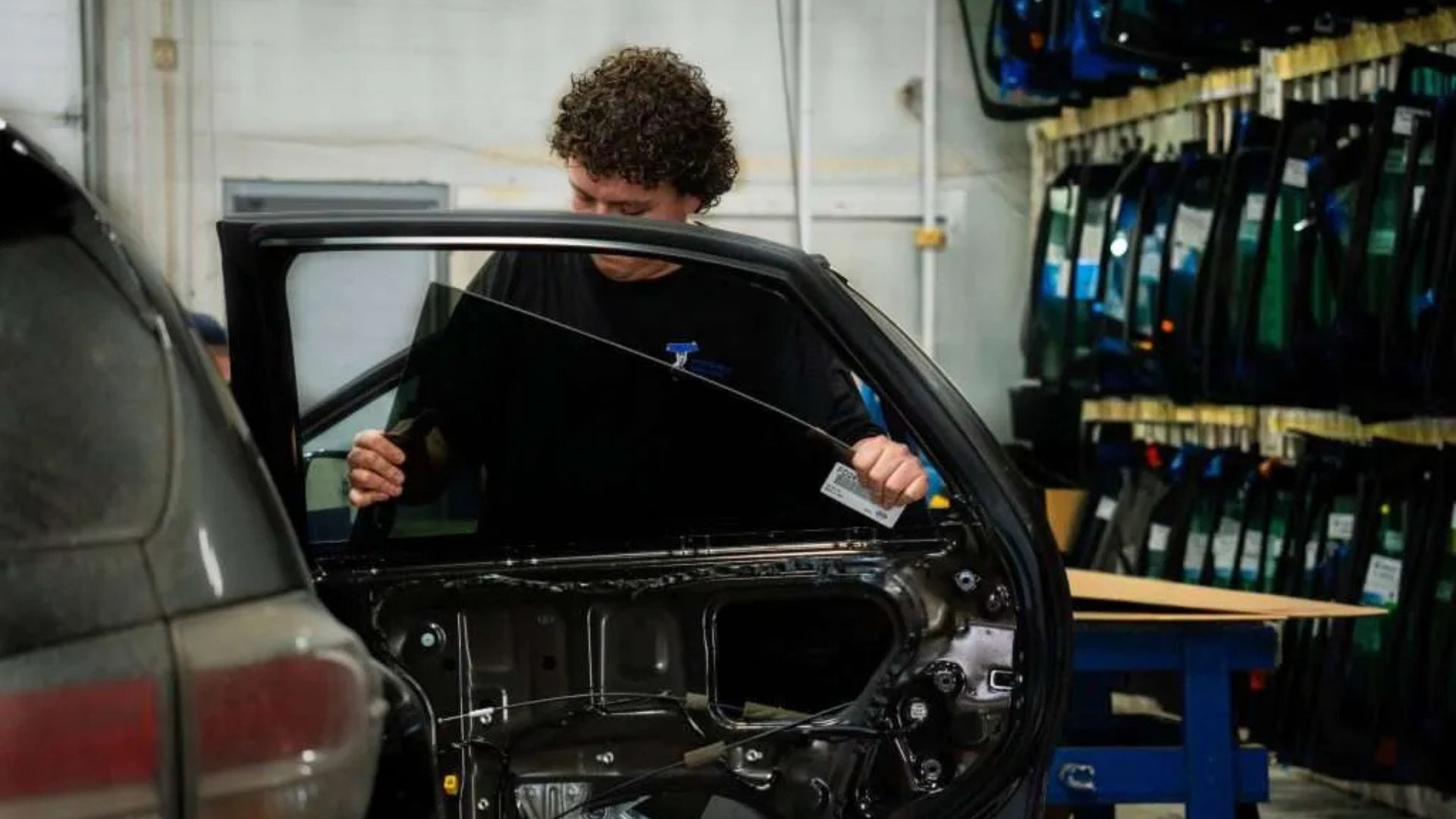
The Car Door Glass Replacement Process
Professional automotive glass technicians follow a systematic procedure to ensure accurate installation.
Step 1: Vehicle Inspection
The technician assesses the damage and identifies the correct glass type required for the vehicle make and model.
Step 2: Removing Door Panels
The interior door panel is carefully removed to access the window assembly. This process involves disconnecting switches, handles, and trim components.
Step 3: Cleaning Broken Glass
All shattered glass fragments are removed from the door cavity, window channels, seats, and carpets. Thorough cleaning prevents future rattling and mechanical issues.
Step 4: Disconnecting the Damaged Glass
The broken glass is detached from the window regulator and supporting hardware.
Step 5: Installing New Glass
The replacement glass is positioned accurately within the window track and secured to the regulator mechanism.
Step 6: Testing Window Operation
The technician tests the window multiple times to ensure smooth movement, proper alignment, and secure sealing.
Step 7: Reassembling the Door
The door panel and all components are reinstalled, restoring the vehicle's original appearance and functionality.
OEM vs. Aftermarket Door Glass
Vehicle owners typically have two replacement options:
OEM (Original Equipment Manufacturer) Glass
OEM glass is manufactured according to the vehicle manufacturer's specifications.
Benefits include:
- Perfect fit
- Original appearance
- High-quality standards
- Compatibility with advanced vehicle systems
However, OEM glass is generally more expensive.
Aftermarket Glass
Aftermarket glass is produced by third-party manufacturers.
Benefits include:
- Lower cost
- Wider availability
- Comparable performance in many cases
Choosing high-quality aftermarket glass from reputable suppliers is essential to ensure durability and safety.
Cost of Car Door Glass Replacement
The cost of automotive car door glass replacement varies depending on several factors:
- Vehicle make and model
- Type of glass
- OEM or aftermarket selection
- Labor charges
- Additional repairs to regulators or motors
On average, door glass replacement may range from $100 to $500 or more. Luxury vehicles and vehicles equipped with specialized glass technologies may incur higher costs.
Insurance coverage may help reduce out-of-pocket expenses, especially if the damage results from accidents, theft, or vandalism.
Signs You Need Professional Assistance
Vehicle owners should seek professional inspection if they notice:
- Cracks spreading across the window
- Difficulty raising or lowering the glass
- Unusual noises during window operation
- Loose or rattling glass
- Water leaks around the window
- Complete glass breakage
Ignoring these issues can lead to more extensive and expensive repairs.
Tips for Maintaining Car Door Glass
Proper maintenance can extend the life of automotive door glass and window mechanisms.
Keep Window Tracks Clean
Dust and debris can accumulate in window channels, increasing wear on regulators and glass edges.
Avoid Slamming Doors
Repeatedly slamming vehicle doors can create stress vibrations that weaken glass over time.
Repair Chips Early
Small chips and cracks can expand due to temperature changes and vibration. Early repair may prevent complete replacement.
Inspect Window Seals
Damaged weather stripping can allow moisture and dirt to enter the door assembly, affecting glass performance.
Operate Windows Carefully
Avoid forcing windows when they encounter resistance, especially during freezing weather conditions.
Choosing a Professional Glass Replacement Service
When selecting a service provider, consider the following:
- Experience and certification
- Quality of replacement materials
- Warranty coverage
- Customer reviews
- Turnaround time
- Compliance with safety standards
A qualified automotive glass technician can ensure proper installation and long-term reliability.
Conclusion
Automotive car door glass replacement is an essential service that restores vehicle safety, security, and functionality. Whether the damage results from accidents, vandalism, road debris, or mechanical failures, replacing broken or cracked door glass promptly helps prevent further complications and protects both drivers and passengers.
By understanding the replacement process, choosing quality materials, and working with experienced professionals, vehicle owners can ensure durable results and maintain the integrity of their vehicles. Regular maintenance and timely inspections also contribute to extending the lifespan of car door glass and supporting a safe driving experience.